 English
 ไทย
ไทยExploring Pranburi Forest Park: Thailand’s Coastal Mangrove Marvel near Hua Hin
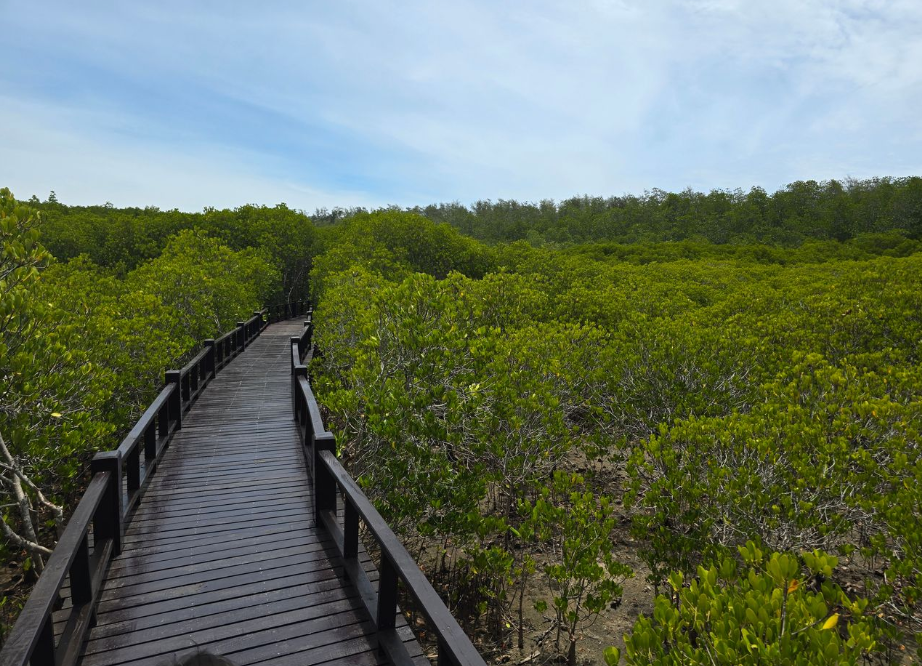
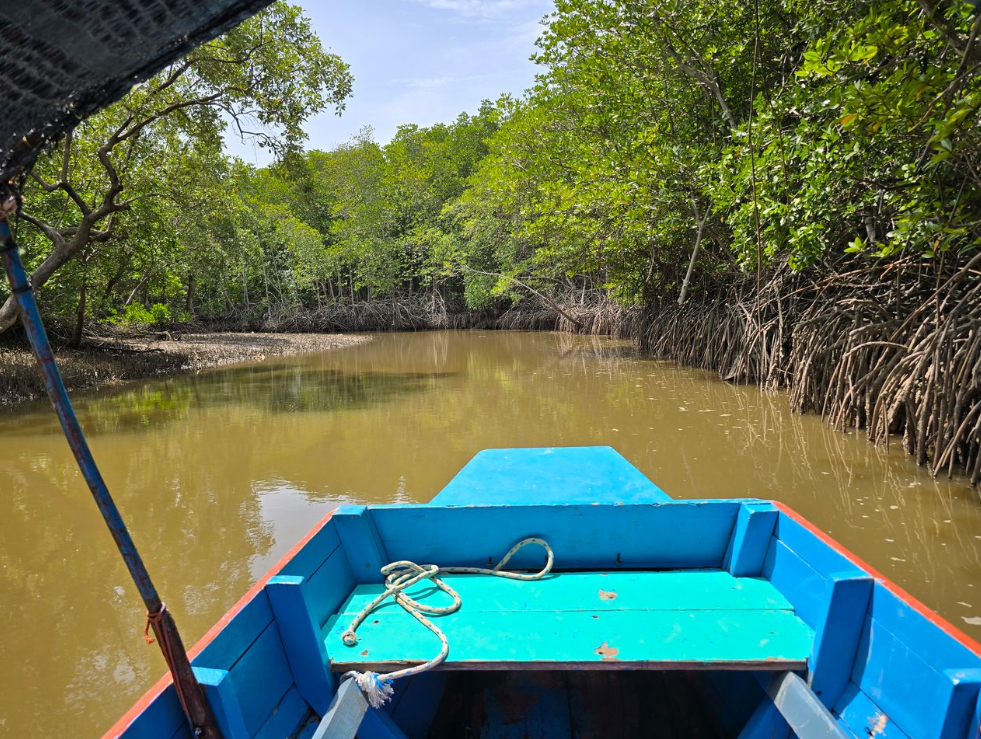
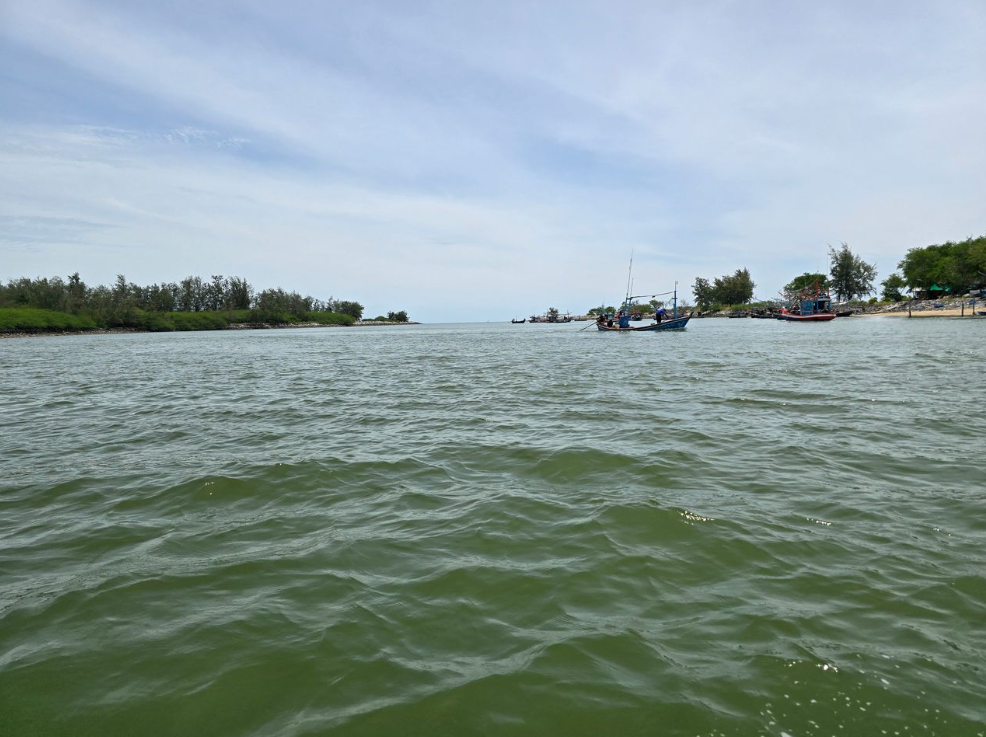
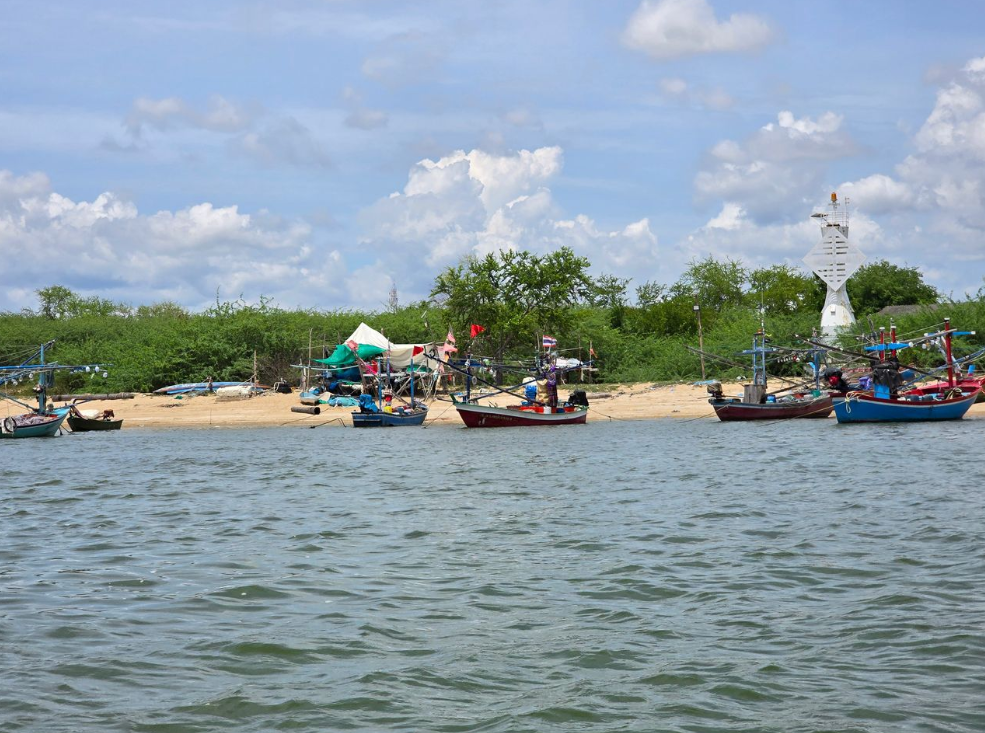
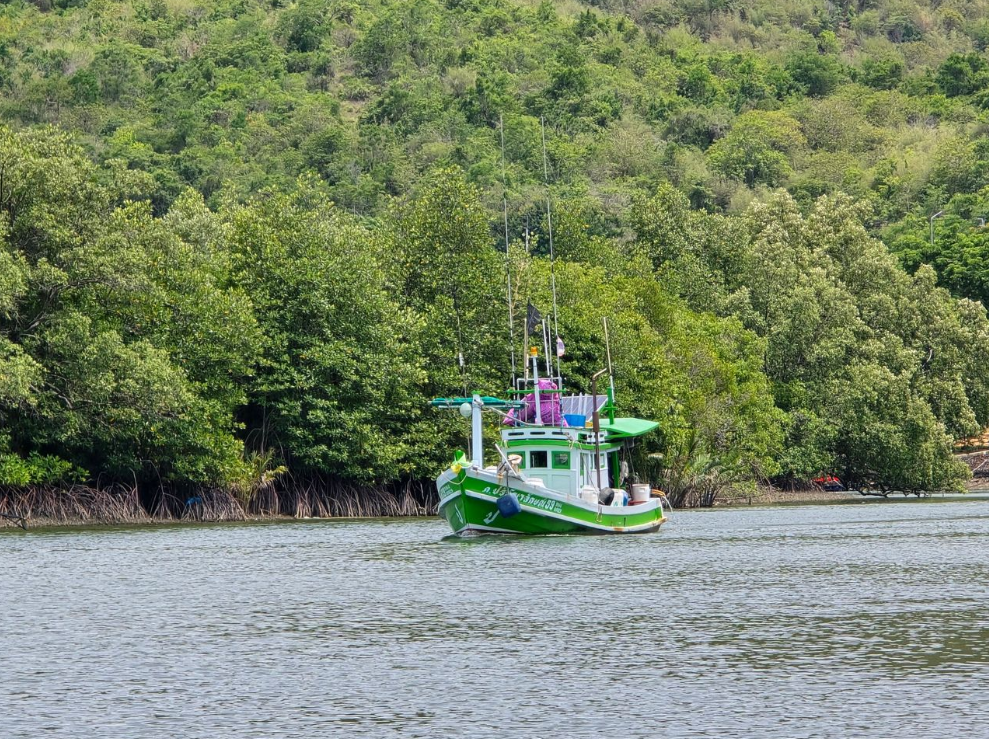
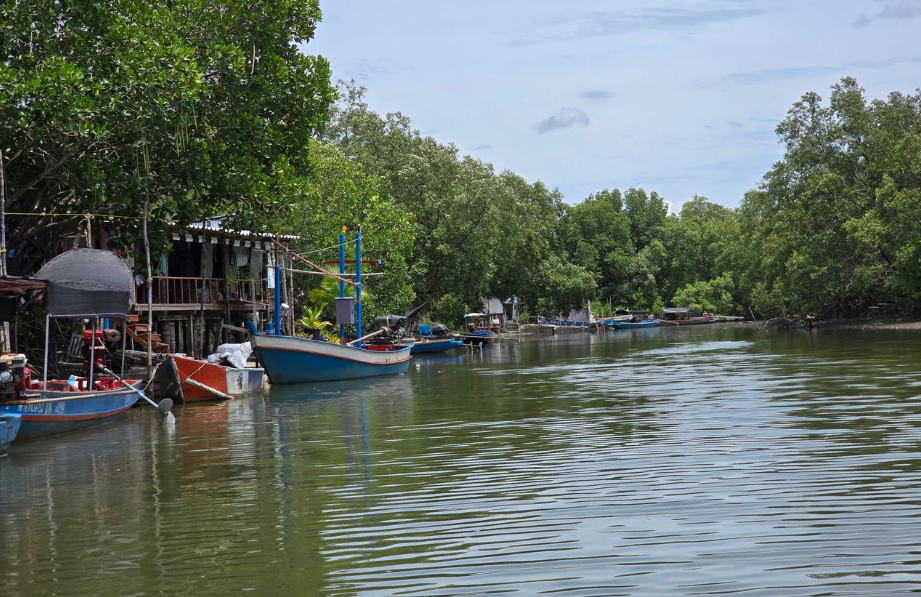
Just a short 20-minute drive from The Rock Hua Hin Beachfront Spa Resort, Pranburi Forest Park welcomes travelers to immerse themselves in one of Thailand’s most fascinating ecosystems. This lush coastal sanctuary is a hidden gem along the Gulf of Thailand, offering scenic trails, rich biodiversity, and a tranquil atmosphere perfect for eco-tourism and slow travel.
Whether you’re staying in Hua Hin for a beachside getaway or looking for a nature-based escape, Pranburi Forest Park offers the perfect detour—educational, inspiring, and refreshing all in one.
Discovering the Black Mangrove (Xylocarpus moluccensis): Nature’s Resilient Survivor

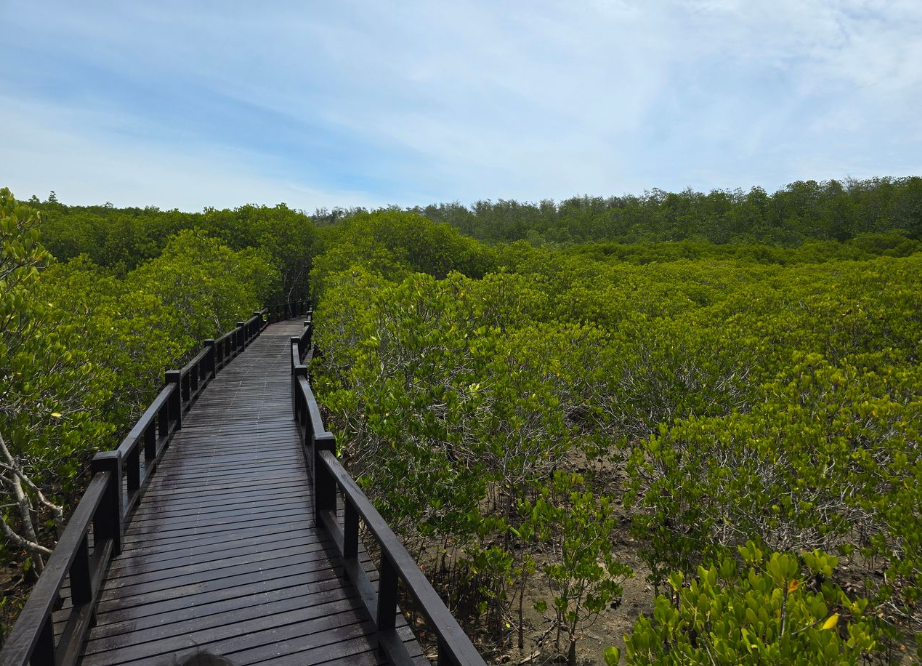
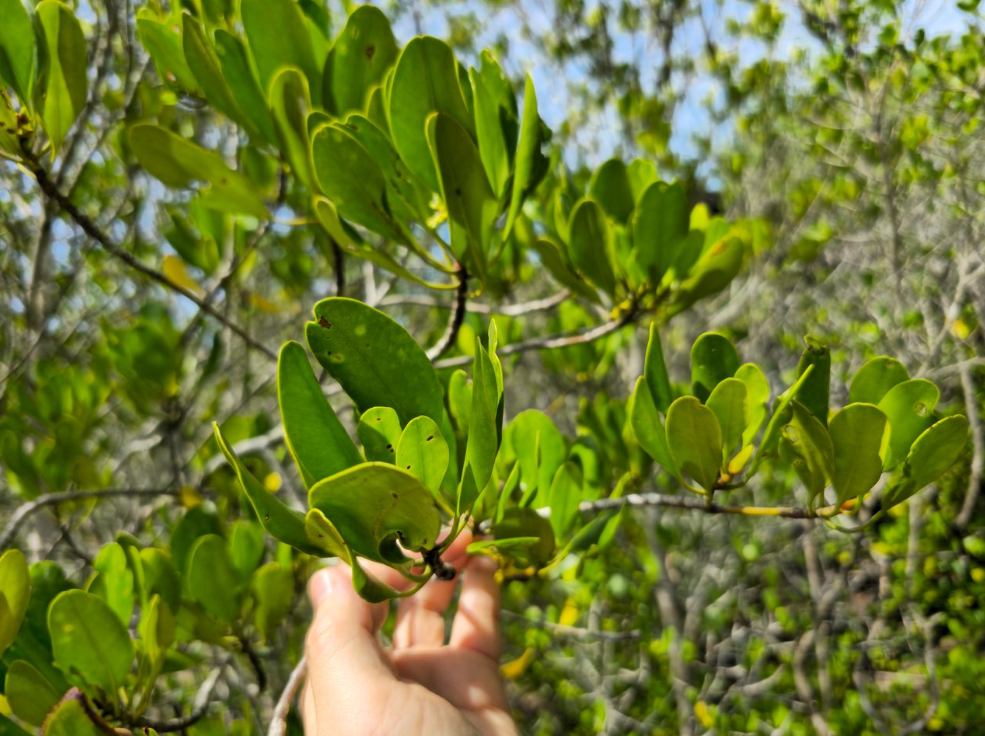
As you walk through the boardwalk of Pranburi Forest Park, you’ll likely encounter the Black Mangrove Tree, known scientifically as Xylocarpus moluccensis. This towering tree, reaching heights of 20–35 meters, plays an essential role in stabilizing the coastal ecosystem, particularly in back mangrove zones where the tide rarely reaches.
A Closer Look at the Black Mangrove
- Family: Meliaceae
- Common Name (Thai): ตะบูนดำ (Ta-boon Dam)
The Black Mangrove stands upright with a straight trunk and dome-shaped crown. It thrives in tropical estuaries and mangrove forests, where freshwater and saltwater meet. Its bark is dark brown and slightly cracked, while its leaves are simple, glossy, and arranged alternately. The flowers are small and greenish-white, often blooming in clusters. The fruit is large, round, and woody, resembling a small coconut, and contains multiple seeds.
The tree’s adaptability to brackish water and muddy soils makes it an anchor species in mangrove ecosystems, offering protection against coastal erosion and a haven for wildlife.
Ecological Importance
- Acts as a buffer against flooding and storm surges.
- Offers a habitat and breeding ground for crabs, mollusks, and juvenile fish.
- Helps trap sediment, improving water clarity and promoting nutrient cycling.
Cultural and Practical Uses
The wood of the Black Mangrove is dense and durable, making it suitable for boat-building and furniture-making, although harvesting is restricted in protected areas like Pranburi. The bark is also rich in tannins and has traditionally been used in dyeing and tanning leather.
Understanding the Back Mangrove Zone: Where Land Meets Sea
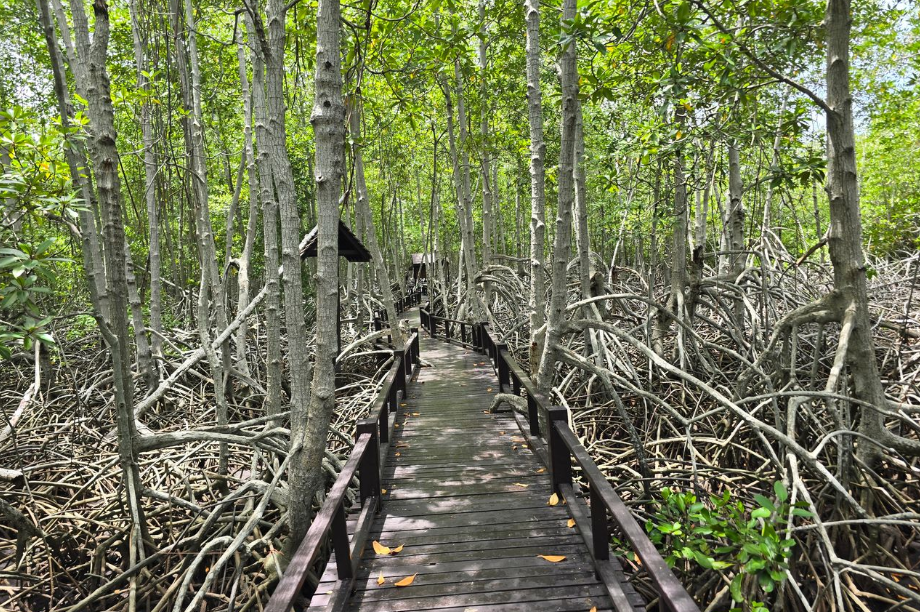
Just a few steps beyond the muddy shoreline lies a lesser-known but ecologically vital zone known as the Back Mangrove. Found further inland from the tide-drenched coastline, this transitional area hosts species that can survive in more stable, slightly elevated soils.
What Grows in the Back Mangrove?
Here you’ll find species such as:
- Ceriops decandra (Tall Stilt Mangrove)
- Xylocarpus granatum (Cannonball Mangrove)
- Lumnitzera racemosa (White-flowered Mangrove)
Unlike their more salt-tolerant cousins closer to the sea, these species thrive in slightly less saline, better-drained soils. Their roots often form elaborate structures to support stability and oxygen intake, particularly during flooding.
Wildlife and Soil Health
The Back Mangrove is essential for biodiversity. Its detritus (fallen leaves and organic matter) provides nutrition for crabs, mollusks, and microorganisms, which in turn support fish and bird populations. This makes the zone not just a buffer between land and sea, but a vital nursery for coastal life.
Mangrove trees in this area contribute nutrients to the broader ecosystem and help retain soil, reducing erosion. These trees also act as a carbon sink, helping to mitigate climate change.
The Red Ant of the Mangroves: A Tiny Guardian with a Big Role
Among the twisting roots and leafy canopies of Pranburi Forest Park, you’ll often find colonies of Red Ants (Oecophylla smaragdina), also known locally as “Mod Daeng.”
These ants are fierce carnivores, preying on small insects and even helping control pest populations. You’ll spot their large nests made of leaves, often nestled high in the mangrove canopy. The red ant colony is highly structured and made up of different roles: workers, soldiers, and the queen.
Why Are There So Many Red Ants in Mangroves?
Mangrove trees, especially the Black Mangrove, offer the perfect home: high, dry branches and plenty of food. Their nests are glued together by ant silk, and you’ll often find several colonies on one tree. These ants are territorial and protect their home fiercely, which benefits the tree by warding off herbivorous insects.
Ants as a Delicacy
In Thai cuisine, ant eggs (kai mod daeng) are considered a delicacy. High in protein and uniquely flavorful, they are used in salads and soups. Harvesting is done carefully, ensuring the sustainability of ant populations in the forest.
Crabs of the Forest: Meet the Mud Crab (Scylla serrata)
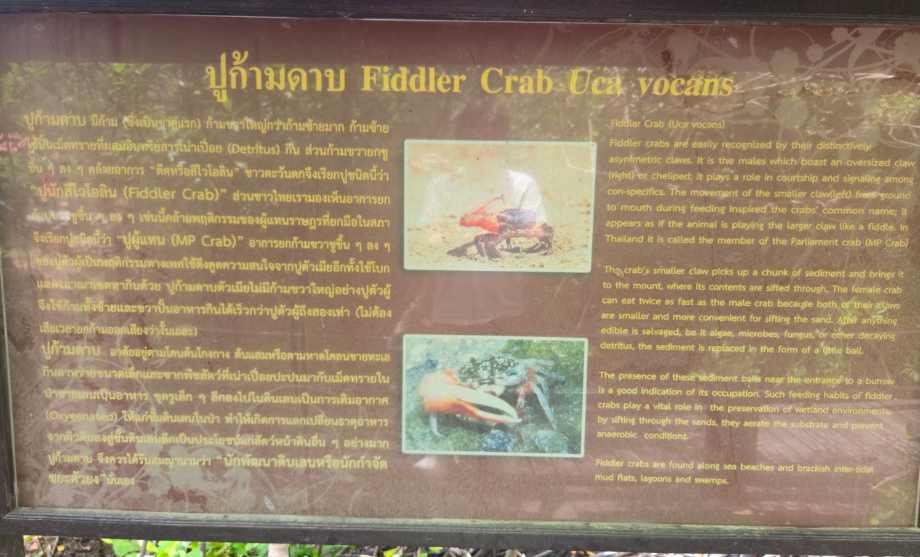
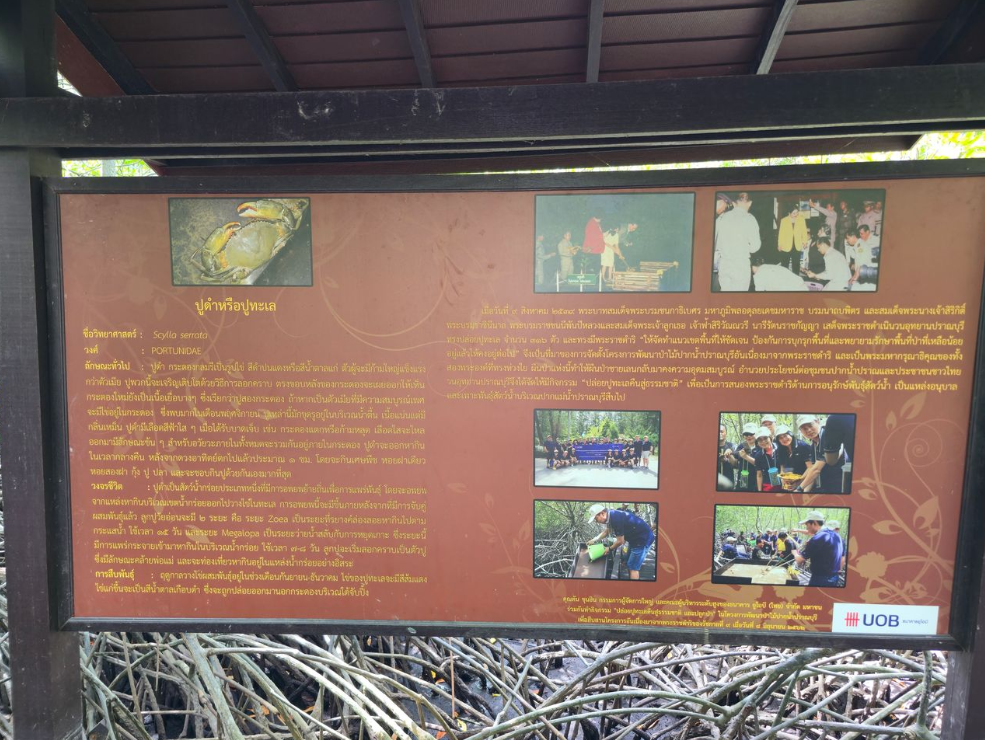
The Mud Crab is one of the most iconic creatures you’ll find in the mangrove wetlands. Scientifically known as Scylla serrata, this crab plays a critical role in nutrient recycling and sediment aeration.
Mud crabs are known for their powerful claws and ability to dig deep into muddy burrows, where they hide during low tide. They are not just important ecologically, but also culturally and economically valuable to local communities who sustainably harvest them.
Fun Fact:
Mud crabs are so prized in Thai cooking that they are farmed and released back into areas like Pranburi Forest Park to help support local crab populations.The Mud Crab is one of the most iconic creatures you’ll find in the mangrove wetlands. Scientifically known as Scylla serrata, this crab plays a critical role in nutrient recycling and sediment aeration.
Mud crabs are known for their powerful claws and ability to dig deep into muddy burrows, where they hide during low tide. They are not just important ecologically, but also culturally and economically valuable to local communities who sustainably harvest them.
Fun Fact:
Mud crabs are so prized in Thai cooking that they are farmed and released back into areas like Pranburi Forest Park to help support local crab populations.
Tides and Life: How the Ocean’s Rhythm Shapes the Forest
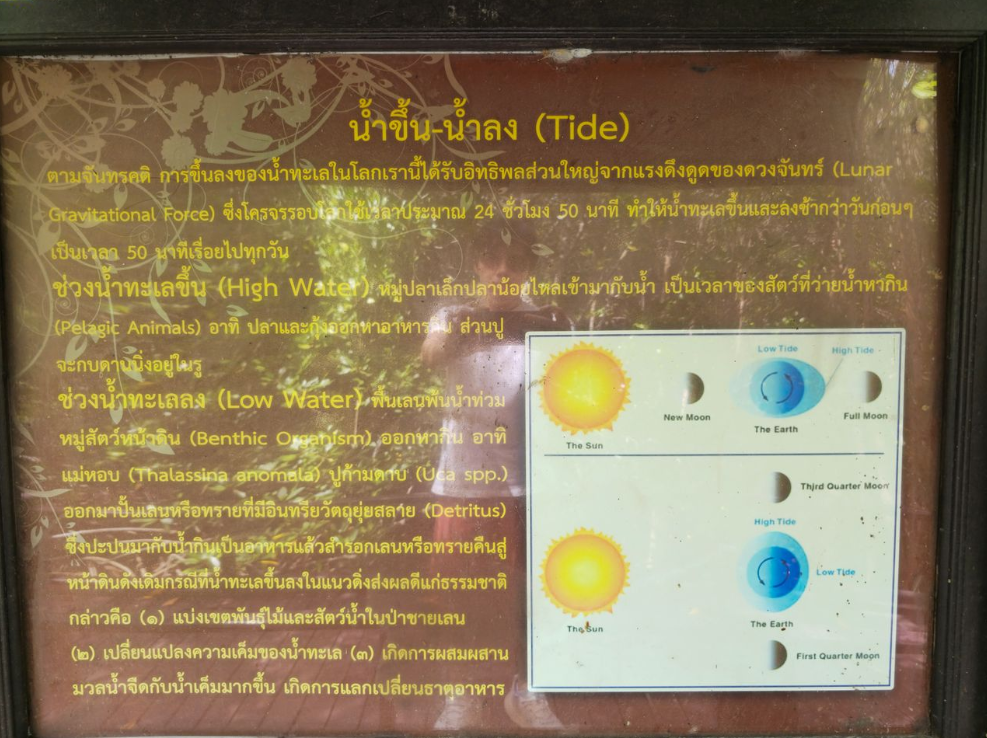
Have you ever wondered how the moon affects life in the mangroves? The rising and falling tides in Pranburi Forest Park are largely driven by the gravitational pull of the moon. Each cycle shifts by approximately 50 minutes daily.
High Tide:
Seawater floods the mangroves, bringing in pelagic fish and other marine life. Crabs, fish, and mollusks follow the water in search of food.
Low Tide:
As the water recedes, the mudflats emerge, revealing burrowing animals like mudskippers, mangrove crabs, and the peculiar shrimp-like Thalassina anomala. This is also when detritus (fallen leaves and organic matter) gets broken down, enriching the soil and feeding the food chain.
Understanding the tides helps visitors appreciate how this forest is a living, breathing ecosystem, shaped by the pulse of the sea.
Avicennia alba: The Grey Mangrove Pioneer
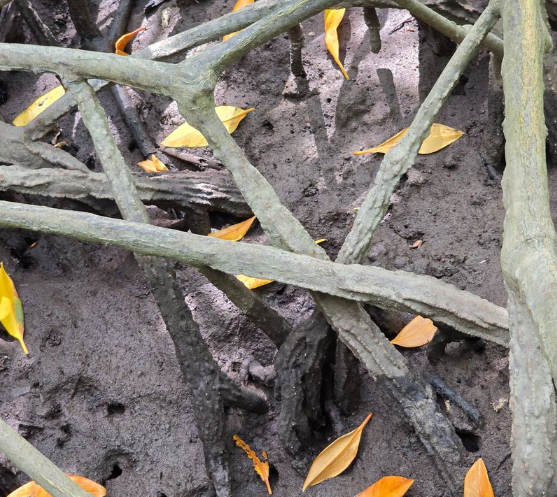
One of the first species you’ll notice at the forest’s edge is Avicennia alba, commonly referred to as the Grey Mangrove. Recognized by its pale bark and pencil-like pneumatophores (breathing roots), this hardy tree is a pioneer species, often the first to colonize open mudflats.
Key Traits:
- Distinctive silver-green leaves
- Root system that protrudes above the soil to absorb oxygen
These trees support young marine life by providing shelter and protection, especially during high tide.
Sonneratia caseolaris: The Firefly Mangrove
Known locally as “Lamphu,” the Sonneratia caseolaris tree is famous not only for its botanical features but also for attracting fireflies that dance among its branches at night. This magical species grows in the front mangrove zone, where it is regularly bathed by tidal waters.
Features:
- Bell-shaped flowers that bloom at dusk
- Fruits that resemble small apples, edible but astringent
- Aerial roots that stick up like snorkels for breathing
This tree is often one of the most photogenic spots in Pranburi Forest Park, especially when the fireflies are out during the rainy season.
Nypa fruticans: The Mangrove Palm
As you venture into wetter zones of the forest, you’ll likely come across Nypa fruticans, or the Mangrove Palm. Unlike other mangrove trees, this species doesn’t grow upright but spreads through underground rhizomes. Its fan-like leaves are iconic and widely used in traditional Thai architecture and handicrafts.
Did You Know?
- The fruit clusters are often used to make Thai desserts
- Its sap can be fermented into vinegar or alcohol
The Nypa Palm is both economically and ecologically important, offering shelter for small fish and crustaceans in its submerged root systems.
Final Thoughts: Why Pranburi Forest Park Deserves a Spot on Your Itinerary
Pranburi Forest Park is not just a destination for nature lovers—it’s a living classroom. Every turn along its raised walkways and muddy trails reveals another chapter in the story of Thailand’s mangrove ecology. From resilient trees and bustling crab burrows to the glow of fireflies dancing through twilight, this protected forest offers an immersive, educational, and unforgettable experience.
Whether you’re a curious traveler, a wildlife photographer, a student of ecology, or just seeking serenity off the beaten path in Hua Hin, Pranburi Forest Park is a must-visit.

If you’re staying at The Rock Hua Hin Beachfront Spa Resort, the forest park is only about a 20-minute drive away—making it an ideal nature escape to pair with your beachfront retreat.
Come for the beauty. Stay for the wonder. Leave with a deeper connection to the rhythms of nature.